Gulf Coast Sand and Features That Make Orange Beach Stand Out
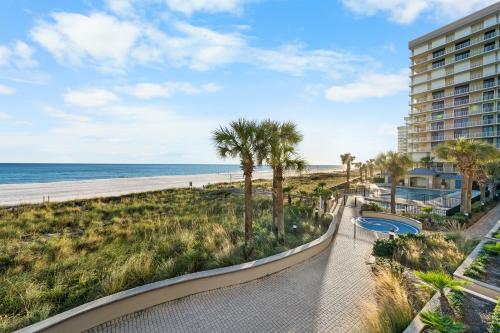
Orange Beach’s coastline is defined by broad stretches of white, fine-grained sand that owe their color and texture to quartz washed down from rivers and hills over millennia. Those sands form expansive beach terraces with gentle slopes into the Gulf of Mexico, creating long walking beaches that are ideal for early-morning strolls or expansive sunset photos. The shoreline here is dynamic: seasonal storms, prevailing currents and human-influenced coastal management all influence how sand shifts from one stretch to another. In practical terms, some areas present wide, flat sand at low tide where families and shellers can spread out, while nearby pockets may show narrower beaches at high tide. The result is a varied coastline in which one can find both broad sunbathing sands and quiet coves for shoreline exploration within short walking distances.
Perdido Pass and nearby inlets shape local sand textures and surf patterns by moving sediment along the shoreline and creating zones of sand deposition and erosion. Cotton Bayou and the channels feeding into Perdido Bay interrupt longshore transport in measurable ways, carving sandbars that can create shallow, calm swimming zones on their landward sides while generating slightly stronger wave action where channels meet open Gulf waters. Beach widths vary across the city and by season: public entries often reveal generous sand expanses in front of municipal access points, whereas near the mouth of passes the beach can be narrower and more dynamic. For visitors choosing where to spend the day, identifying sheltered stretches near bay inlets is useful for calmer water, while open-gulf-facing sands serve those seeking classic white-sand panoramas and more consistent wave action for splashing and shoreline play.
Perdido Pass and Perdido Bay Seaside Geography
Perdido Pass acts as a critical hydrological feature linking the Gulf of Mexico with bays and tidal flats behind the barrier islands. Tidal flow through the pass drives currents and helps determine where sandbars form, which in turn influences navigational routes and safe swimming zones. The pass’s ebb and flood currents create changing sandbar patterns—some exposed at low tide and submerged at high—which are a magnet for shorebirds, feeding fish and the occasional recreational boat traffic. These shifting bars and channels require attention from swimmers and small-boat users because the pass concentrates flow; where the water funnels through narrow channels, currents strengthen. Observers along adjacent piers or from elevated vantage points can often watch boats using marked channels, and shore-based viewers frequently see dolphin activity following baitfish into the pass during feeding tides.
Perdido Bay, lying behind the pass, forms quieter waters than the open Gulf and supports extensive marshes and protected inlets. Those calmer waters are popular for paddlecraft, shoreline birdwatching and family-friendly wading on low-gradient tidal flats. Salt marshes and estuarine habitats here also support juvenile fish and crustaceans, which attract birds and mammals and add to the area’s ecological richness. For safety and enjoyment, look for established public ramps and municipal access points that provide clear entry points for small craft and designate safer swimming areas away from navigational channels. Understanding the pass’s tidal rhythms—when the current is strongest and when sandbars are most exposed—helps visitors pick safer vantage points and appreciate the interplay between coastal geology and local marine life.
Where to Watch Sunrises and Sunsets along the Orange Beach Shoreline
Orange Beach offers a delightful variety of vantage points for both sunrise and sunset that suit photographers, early risers and evening strollers alike. For sunrise, east-facing expanses along unobstructed stretches of gulf-facing sand are the prime spots; cloud patterns often catch the first light and produce brilliant color displays above the waterline. Early-morning visitors benefit from quieter beaches and cooler temperatures, plus the chance to see shorebirds and occasional dolphins feeding close to shore. Boardwalks and public access ramps that extend over dunes provide slightly elevated perspectives that bring foreground texture—dune grass, driftwood and shell-strewn sand—into composition, perfect for wide-angle shots or reflective photography with wet sand at low tide.
Sunset viewing tends to center on western viewpoints near Perdido Bay and certain pier structures where the sun’s descent paints the sky and water in warm hues. Vantage points offering a line of sight over the bay often reveal dramatic color contrasts, as the open water and island silhouettes catch last light differently than direct-gulf views. Seasonal atmospheric conditions, such as slightly cooler autumn and winter evenings, can produce especially crisp sunsets, whereas humid summer months may yield softer, pastel tones with lingering twilight. Timing matters: arriving 30–45 minutes before sunset gives time to claim a good spot, set up gear and watch the light evolve; lingering afterward rewards observers with afterglow and an opportunity to capture silhouettes and long-exposure shoreline reflections.
Best Public Access Points and Beach Entry Routes
Orange Beach’s public access network provides visitors with a mix of centrally located municipal entries and smaller neighborhood ramps that open the shoreline to daytrippers and longer-stay guests. Major access points typically include boardwalks, dune crossings and designated parking areas; these entry routes are useful reference points when coordinating meet-ups or planning a day on the sand. Central municipal accesses usually lead to broader beach sections with facilities such as restrooms and showers located nearby, while lesser-known entries often drop visitors onto quieter stretches where the atmosphere is more low-key. Access routes adjacent to Cotton Bayou and near the Perdido Key boundary offer easy transitions between bay-side and Gulf-side experiences, making them efficient choices for those wanting to compare different water conditions in a single visit.
Accessibility features are increasingly prominent at key entries: several public access points include hard-surface paths, ramps and ADA-oriented adaptations that help visitors with mobility needs reach the sand more easily. Where available, beach mats and stabilized walkways extend across dunes and soft sand, providing smoother routes for strollers, wheelchairs and those carrying gear. Practical planning pays off in peak season—arriving early secures preferred parking and eases carrying heavy items across sand; alternatively, seek smaller neighborhood entrances for quieter parking and shorter walks to less-crowded stretches. For orientation, maps available at municipal websites or local visitor centers show public access locations and indicate which entries have improved accessibility features and onsite amenities.
Family Friendly Sand Play and Tidepool Exploration Spots
Families find Orange Beach welcoming thanks to long shallow slopes, gentle wave action in protected coves and plenty of sandy real estate for creative play. Wide, flat tidal flats exposed at low tide form natural playgrounds where children can dig, build elaborate sandcastles with wet sand that holds shape well, and explore small tidepools that form behind sandbars. Protected bay-side inlets and areas sheltered by jetties or passes are particularly kid-friendly because they reduce wave energy and create calm pockets of water that are easier for supervised wading. Choosing access points with nearby restroom facilities and picnic areas helps keep a family day on the sand comfortable and predictable.
Tidepool and shoreline exploration along Orange Beach rewards careful observers: small pools often contain hermit crabs, juvenile fish and a range of algae and invertebrates. Encouraging teachable moments—identifying shells, observing tiny crab behavior, and noticing how different substrates (sand vs. shell patches) support different micro-habitats—adds depth to a beach day. For safety, keep explorations near marked public access points and avoid venturing into channelled or pass-adjacent waters where currents can be stronger. Gear such as small nets, shallow buckets and soft-bottomed footwear makes tidepooling safer and more enjoyable for kids while minimizing harm to marine life and their habitats by discouraging direct handling of sensitive creatures.
Where to Find the Best Shelling and Beachcombing on Orange Beach
Orange Beach offers some of the Gulf Coast’s most satisfying shelling walks, where early mornings often reward patient beachcombers with an array of scallop, whelk and coquina finds. Shells tend to concentrate where currents and wind-driven surf push lighter materials ashore; look for curving lines of debris at the high-tide mark and small pockets behind sandbars after a receding tide. Areas near the mouths of inlets and passes—including stretches down-current from Perdido Pass—can be especially productive because ebb tides flush shells out of protected bays and deposit them on adjacent gulf-facing sand. Storm events sometimes rearrange the shoreline, uncovering fresh shells and small fossil fragments, so timing a beach walk after a brisk onshore wind or minor storm can be surprisingly fruitful.
Responsible collecting practices matter here: fragile or live organisms should be left in place, and shellers should avoid taking shells from marked wildlife-protection zones during nesting or hatchling seasons. Focusing on empty, intact shells found above the wrack line helps preserve habitat while still building a memorable collection. For families, shell identification can be a low-fi learning activity—spotting the differences between flat coquina pieces and spiral whelk shells, or comparing colors and growth lines—without disturbing the living shoreline. Bring a soft brush and a small bucket for sorting finds; rinse shells gently in seawater to keep tiny hitchhikers safe until a closer look onshore. Maps of popular access points show where quieter stretches and wider wrack lines tend to appear, helping visitors choose the best launching spot for a dedicated shelling session.
Dolphin Watching and Coastal Wildlife Viewing Areas
Dolphins are a signature sight around Orange Beach, often visible from shore where baitfish push nearshore schools into tight pockets. Best viewing windows are typically in the early morning and late afternoon when feeding activity intensifies and light conditions flatter the sea surface. Look for rhythmic splashes, dorsal fins cutting the water, or a line of birds suddenly converging on a surface boil—these are reliable indicators that dolphins are working a school. Vantage points near passes and channels, including elevated piers and bluff-like dune boardwalks, give good observational angles; from these perches, pods can be seen following tidal flows into and out of Perdido Pass as they hunt. Binoculars help, but many encounters are close enough for unaided viewing when dolphins ride the shallow edges created by sandbars.
Shorebird and migratory birdwatching are also strong suits for the area, especially along tidal flats and salt marsh edges behind the barrier islands. Species such as herons, egrets and transient sandpipers use these shallow feeding grounds during migration windows, while winter months often bring different shorebird assemblages. Respectful viewing distances are essential: maintain space from roosting birds, avoid walking through marked nesting areas, and keep dogs leashed to protect fragile shorebird habitats. Local interpretive signs at public access points often highlight seasonal patterns and best practices for wildlife observation. For photographers and wildlife enthusiasts, pairing a quiet early-morning shoreline walk with binoculars and a telephoto lens usually yields the most rewarding sightings without disturbing animals.
Water Activities That Use Orange Beach as a Launchpad
Orange Beach’s varied coastal geography makes it a natural base for a spectrum of water activities. Paddleboarding and kayaking excel in the calmer waters of Perdido Bay and protected inlets where wind and wave energy drop substantially; these routes thread past marsh edges and shallow flats ideal for slow, exploratory paddles and birdwatching. Gulf-facing stretches, with their consistent but gentle surf, are suitable for stand-up paddleboarding sessions focused on fitness or casual touring close to shore. For those seeking more lively watercraft experiences, the gulf’s open-face waves and steady summer sea breezes create predictable conditions for parasailing takeoffs and moderate jet-ski runs, though shoreline launch rules and permit areas should be observed to avoid high-traffic swim zones.
Seasonal winds and tide conditions influence which activity suits a particular day: calm, low-wind mornings are prized for flat-water SUP outings and kayak trips into quieter bay channels, while mid-afternoon sea breezes can make offshore excursions and certain tow-sports feel livelier. Launch points near public ramps and municipal access areas commonly serve as convenient staging spots; these are places to check local signage for permitted launch zones and any temporary restrictions. For safety and enjoyment, check tide charts and local weather before heading out, favor protected inlets for family paddles, and choose gulf-facing stretches for broader views and longer-distance paddling. Bringing a basic floatation device, leash for a paddleboard, and water-resistant communication device is prudent. Rentals and pickup zones cluster near main access points, making last-minute gear options accessible without long detours from the sand.
Fishing from Shorelines and Nearby Piers
Fishing is woven into Orange Beach’s coastal culture, with productive surf casting and pier fishing accessible to shore-based anglers. Shore anglers commonly target species such as whiting, pompano, red drum and flounder, depending on season and tide. Early mornings and the incoming tide often concentrate feeding fish along sandbars and nearshore troughs, so positioning near these features increases the odds of a catch. Beachcasters favor long rods and live or cut bait to reach feeding zones beyond the gentle breaking waves, while lighter rigs and small jigs can be effective for smaller species feeding closer to the wrack line. Local beachpiers—regionally positioned structures that extend into deeper water—offer additional opportunities for targeting larger coastal species and for anglers who prefer the convenience of a fixed platform.
Understanding the difference between inshore bay fishing and open-gulf surf tactics helps plan productive outings: calmer bay waters behind barrier islands can be excellent for spotted trout and redfish during certain seasons, whereas gulf-facing shorelines and piers provide access to a mix of seasonal migrants and resident reef-associated species. Tackle shops in the area and local signage at access points typically note current seasonal patterns and recommended bait types; checking tide tables and recent local reports increases efficiency. Shore-based anglers should be mindful of swimmer zones and keep lines clear of crowded areas; fishing etiquette—clearing space at popular access points and disposing of fishing line responsibly—preserves safety for all beach users and protects wildlife from entanglements.
Boat Tours, Dolphin Cruises and Evening Excursions
Daytime boat tours and dolphin cruises are a popular way to see the coastal highlights around Orange Beach. Typical routes move through Perdido Pass, skirt barrier islands and circle productive feeding areas where dolphins commonly forage, offering passengers close-up wildlife viewing without needing to bring private watercraft. Evening and sunset cruises capitalize on the coastal light and often include narrated coastal history, pointers for dolphin spotting and scenic views of islands silhouetted against waning daylight. Short sightseeing runs focus on local geography—passes, sandbars and protective bays—allowing passengers to observe how tidal exchange shapes both shorelines and marine life concentrations. These excursions are seasonally adjusted to match wildlife activity patterns and local weather windows.
From a practical standpoint, many cruises depart from marinas and public ramps near the main beach access hubs, making them easy to combine with a beach day. Routes tend to avoid sensitive nesting zones and adhere to established marine guidelines to minimize wildlife disturbance, which improves the chance of natural animal behavior during an outing. Those seeking more vantage variety often choose morning departures for active dolphin feeding displays, and later departures for softer light and cooler temps. For photographers, boats provide uncommon angles on coastal features and island silhouettes, while nature lovers appreciate the chance to observe dolphin pods, shorebird concentrations and the interplay of currents around passes—sights that, from shore, may be visible only as fleeting fins or distant shapes.
Marinas, Boat Ramps and Launch Logistics for Orange Beach
Marinas and public boat ramps around Orange Beach serve private boat owners, anglers and recreational boaters looking to explore the Gulf and inland bays. Launch logistics vary by facility—some ramps provide wide concrete slipways for trailer launching, while smaller public ramps offer straightforward put-in points for kayak and small-craft users. Peak launch times commonly align with early morning tides and weekend schedules, when local anglers and day-trippers aim for the best light and tidal windows. Trailer parking and ramp etiquette—clearing the area once a boat is launched, using designated staging lanes, and following posted instructions—keeps ramps flowing smoothly and reduces backups during busy periods.
Perdido Pass functions as the main navigational channel linking gulf waters to inland bays, so understanding local channel markers and respecting marked navigation lanes is essential when launching. Boat users should check tide and current information before transit, as pass currents can strengthen during peak tidal exchange and influence safe boarding and landing decisions. Marinas typically cluster near central access points and offer visible landmarks for orientation; they also provide logical starting points for visits to nearby reefs, fishing grounds and scenic island circuits. For those towing trailers, planning ahead for busy-season delays and arriving early on weekends helps secure stall space and avoids last-minute congestion at ramps and staging areas.
Tide, Current and Safety Information for Swimmers
Tides and currents at Orange Beach shape where and when safe swimming conditions occur. Low tides expose sandbars and extend shallow flats that are excellent for wading but may also create rip-prone channels between bars. High tides can narrow beach widths and shift swimmer areas closer to surf, while ebb and flood through passes generate stronger flows near inlets. Rip currents tend to form where water funnels past stationary sand features or around jetties and channel mouths; these flows can pull swimmers offshore quickly, so awareness of visible signs—such as a choppy, discolored channel, a break in the incoming wave pattern, or a line of foam heading seaward—is vital. Municipal signage at public accesses typically explains basic beach flag systems and points to lifeguarded zones when available.
When choosing a swim spot, favor beaches with posted lifeguard coverage during peak season and pay attention to flags and posted advisories that indicate water conditions. If a lifeguard is present, observe their guidance about safe entry points and avoid swimming near marked boat channels or in the immediate vicinity of pass currents. For family outings, select wide, gently sloping stretches away from jetties and inlet mouths; these areas tend to have more predictable wave action and safer shallow zones for children. Checking tide charts and local weather forecasts before a beach visit helps anticipate when shore conditions will present exposed sandbars or stronger nearshore currents, contributing to a safer and more relaxed day on the water.
Seasonal Weather Patterns and Best Months for Beach Time
Orange Beach’s climate follows classic Gulf Coast rhythms, with warm, humid summers ideal for swimming and shoreline recreation, and mild shoulder seasons that appeal to travelers seeking fewer crowds and pleasant daytime temperatures. Summer months typically bring warm water temperatures and stable heat that attract families and beachgoers for extended sun-soaked days; afternoon sea breezes often kick in, offering some relief from inland heat and shaping afternoon surf conditions. Spring and fall shoulder seasons provide comfortable air temperatures, lower humidity and often clearer skies—these times are especially good for long beach walks, birdwatching and paddling. Winter months are cooler but can still deliver crisp, sunny days suited to photography and quiet shoreline exploration.
Hurricane season runs from June through November and introduces a variable element for coastal planning: tropical systems can disrupt travel windows, change sand profiles along the shoreline, and temporarily close beach access points. Monitoring official weather advisories during this period is prudent, and being flexible with travel dates reduces the likelihood of disruption. Water temperatures track air trends, peaking in summer and cooling through fall; spring warmth returns gradually, so swim comfort varies by month. Seasonal wind patterns also influence activity choice—steady summer seabreezes are favorable for certain watersports, while calmer mornings in shoulder seasons suit flat-water paddling and wildlife viewing. Checking long-range forecasts and tide tables before planning specialized outings helps match the right season to the desired beach experience.
Crowd Patterns and Quiet Time Strategies
Peak summer months, holiday weekends and special-event dates drive the largest crowds to Orange Beach, concentrating visitors around popular public access points and central beachfront stretches. Weekends and afternoons typically see the highest local activity levels, with families and day-trippers filling parking areas and boardwalks. To find quieter sand, target early-morning windows when the beach is calmer and light is optimal for photography, or opt for weekday visits outside school holiday peaks. Choosing smaller neighborhood access points or stretches near bay inlets often yields more solitude than central municipal entries that front the most active public beaches.
Another effective strategy for quieter beach time is visiting during shoulder seasons—late spring or early fall—when temperatures remain pleasant but overall visitor numbers fall. Off-peak times not only reduce crowding but also can reveal wildlife activity that retreats during busier summer months. For planning, check local event calendars to avoid festival days and fishing tournament weekends, which draw additional beach traffic and can affect parking close to main access points. Combining timing choices with access selection—early arrival at a less-prominent ramp, or a longer walk from a peripheral parking lot—lets visitors enjoy roomy stretches of sand even in busier months.
Beach Events, Tournaments and Sandside Festivals
Orange Beach’s shoreline stage comes alive across the year with community-driven beach events, sand-sculpting contests, fishing tournaments and seasonal festivals that gather locals and visitors for festive seaside energy. Event footprints usually concentrate around wide municipal access points and central beachfront stretches where temporary staging, spectator seating and vendor lanes can be set up without disturbing primary dune systems. Fishing competitions often cluster near deeper water access like piers and marked channels; competitors and spectators frequently line adjacent sand to watch casts and weigh-ins while organizers coordinate with local authorities to mark off safety zones. Sand-sculpting events and family-friendly beach festivals favor broad flat stretches exposed at low tide, where artists and kids can build large installations and interactive play areas. These occasions provide lively viewing opportunities and a chance to see community traditions—from seafood-centric celebrations to music and craft showcases—played out on the sand.
Attending or planning around beach events requires a little advance checking: municipal event calendars and local visitor information list dates, closures, and parking adjustments so beachgoers can decide whether to participate or avoid crowds. On event days, expect altered access patterns, temporary parking restrictions and an uptick in seasonal vendors selling food and handcrafted goods; arriving earlier than usual helps secure a favorable spot on the sand and eases walking distances from available parking. For quieter intervals, seek stretches away from event hubs or visit shortly before organizers erect stages—early mornings and weekday mid-mornings are often calm. Regardless of whether joining a festival or ducking it for solitude, these sandside events lend a social flavor to Orange Beach’s calendar and present memorable ways to experience local culture along the coastline.
Dining Close to the Shore and Where to Grab Casual Beach Eats
The culinary scene within easy reach of Orange Beach favors fresh Gulf seafood and relaxed beach-café fare, offering seafood platters, fried classics, grilled fish and casual sandwiches that match a day on the sand. Walkable or short-drive dining options often include open-air patios and waterfront terraces that showcase breezy coastal views, making it simple to pair a midday beach session with a late-afternoon meal. Menus tend to highlight regionally caught fish and shellfish—flaky white fillets, shrimp and locally inspired seafood stews—balanced by lighter salads and shareable small plates that suit informal group dining after an active day by the water. Seasonal menus reflect the fishing calendar and local harvests, so tastes and highlights shift slightly through the year in step with local catch availability.
For travelers seeking grab-and-go options, beachfront neighborhoods typically feature casual cafés, snack shacks and food vendors that specialize in quick bites: fish tacos, po’boys, handheld seafood wraps and chilled seafood salads are popular choices that travel well down to a sandy blanket. Evening beach strolls often encounter beachfront venues offering live music and relaxed nightlife, creating an easy post-beach transition from daytime sun to evening socializing. Many places keep extended hours during peak season to serve late arrivals after sunset photography sessions or water-sport adventures. Practical tips: consider bringing a cooler for perishables and check local hours during shoulder seasons when some eateries scale back operations; also scout for picnic areas near main accesses that provide convenient spots to enjoy takeaway beach meals while keeping an eye on tides and sand.
Beach Rules, Local Ordinances and Pet Policies
Beachgoers should be familiar with Orange Beach’s local ordinances that regulate beach behavior, pet access, alcohol use and permitted activities to protect public safety and coastal habitats. Regulations vary by stretch and season: specific sections of public sand may have leash requirements for dogs, designated off-leash hours or complete pet restrictions—especially near nesting areas or busy municipal access points. Alcohol policies on public beaches are typically enforced to maintain family-friendly environments and can include fines for violations, so checking posted rules at each access point helps avoid surprises. Group gatherings, amplified music and commercial activities commonly need permits; municipal websites and visitor information offices outline application steps and timing if planning a larger event on public sand.
Respecting posted signage and marked protected zones makes a direct difference for wildlife and dune systems. Enforcement is usually visible around busy summer weekends, with officials or beach patrol issuing advisories about prohibited activities and guiding visitors to permitted areas. Simple, local best practices—keeping dogs leashed where required, using designated barbecue and picnic sites where provided, and avoiding unmarked dune crossings—reduce conflicts and preserve the beach for everyone. For visitors uncertain about a rule, seek clarification at municipal kiosks or visitor centers near main access points before setting up for an extended stay; doing so keeps beach days predictable and aligned with community standards for safety and conservation.
Accessibility Features and Inclusive Beach Access
Orange Beach has invested in accessibility features at key public access points to ensure more visitors can safely reach and enjoy the sand. Accessible boardwalks, stabilized paths and ADA-compliant parking stalls near certain municipal entries make the beach easier to approach for people using mobility devices, families with strollers and those carrying bulky gear. Some access points include seasonal beach mats that extend across soft sand to provide firmer surfaces down to the high-tide line, enabling wheelchair users and people with limited mobility to get closer to the water without navigating deep sand. Where steps exist over dunes, many boardwalks also offer ramped alternatives or hard-surface walkways to improve approach options for visitors with different needs.
Planning an accessible beach day benefits from a bit of pre-trip research: consult local municipal maps or visitor resources that mark which access points feature improved accessibility infrastructure, note seasonal availability of beach mats and check for nearby accessible restrooms and parking. During peak periods, arrive early to secure accessible parking spaces and allow time to move along boardwalks before crowds accumulate. For visitors who require additional support, many community volunteer groups and municipal beach services periodically offer assistance programs or adaptively equipped beach days during the season—checking local event listings can reveal opportunities to connect with supportive services that make the shoreline easier to enjoy.
Eco Care Practices and Wildlife Protection Zones
Protecting Orange Beach’s dunes, nesting birds and nearshore habitats depends on mindful visitor behavior and widely adopted eco-care practices. Dune systems act as the coastline’s first defense against storm surge and erosion; staying on marked boardwalks and crossing points prevents trampling of dune vegetation and helps the grasses that trap sand and stabilize the shore. During bird nesting and hatchling seasons, respect roped-off zones and warning signs—walking through marked nesting areas can disturb eggs and young birds. Avoiding collection of live organisms, leaving natural materials where found, and minimizing single-use plastic reduces impacts on wildlife and lessens the amount of debris washing back into the sea.
Volunteer-driven beach clean-ups and community conservation efforts are common along the Alabama Gulf Coast and provide an easy way for visitors to give back during a stay. Joining or supporting local clean-up events helps reduce entanglement risks for seabirds and marine mammals while improving shelling quality for future visitors. For day-to-day beach etiquette, pack out trash, secure food to avoid attracting wildlife to human areas, and use refillable water bottles to limit disposable waste. Observant visitors will also notice interpretive signs at certain access points explaining sensitive habitats and seasonal protective measures—following these guidelines keeps Orange Beach healthy and ensures future generations can enjoy its shoreline.
Packing Essentials for Orange Beach Days
Packing for Orange Beach mixes sun-smart basics with a few Gulf-specific extras to keep the day comfortable and adventurous. Sun protection tops the list: broad-spectrum sunscreen, a wide-brimmed hat, UV-protective sunglasses and a lightweight cover-up for midday shade help manage strong coastal sun. Footwear choices matter—sandals or reef shoes protect feet from hot sand and scattered shell patches while water shoes are handy for exploring tidepools or rocky patches near jetties. A durable beach blanket or sand-resistant towel, a collapsible cooler with refillable water bottles, and a simple shade shelter or umbrella make longer visits easier, especially during warm afternoons when breaks from direct sun are welcome.
For activity-specific packing, bring a basic first-aid kit, reef-safe sunscreen, and a waterproof bag for electronics. Photography enthusiasts benefit from a sturdy tripod, polarizing filter and spare batteries for golden-hour shoots, while anglers will want a small tackle kit, pliers and a permit if required. Families might include extra towels, wipes, a change of clothes and small buckets and shovels for sand play. Check tide charts before packing for tidepool exploration and add a pair of sturdy gloves or a soft brush to gently inspect finds without harming organisms. Finally, a compact seaside guidebook or shell identifier adds low-tech fun and helps satisfy curiosity without touching protected wildlife.
Where to Rent Beach Gear and Watercraft Near Shore
Rental options near the beach typically include umbrella and chair packages, stand-up paddleboards, kayaks and small watercraft that can be launched from municipal ramps and designated staging areas. Rentals tend to cluster near major access points and marinas where staff can assist with staging and safety briefings; peak-season availability is highest during summer months, so reserving in advance or arriving early reduces wait times. Rental providers commonly ask for ID, a credit-card deposit and a brief safety orientation, and they often supply basic safety gear such as life jackets and leashes for SUPs. For paddling or fishing trips into protected bays, choose stable, wide-hull kayaks or tandem boards that offer easier balance for beginners and families.
When renting, check local tide and wind conditions before setting off—morning hours usually offer calmer waters for paddlecraft while afternoon sea breezes can make open-gulf excursions more challenging. Ask about recommended launch and landing points to avoid crowded swimmer zones or sensitive wildlife areas. For larger watercraft or motorized rentals, confirm local regulatory requirements and designated launch lanes to keep operations safe and compliant with municipal rules. Rentals are a convenient way to try a new activity without hauling gear, and they often include pickup or drop-off near central beach accesses for straightforward logistics.
Navigating Parking, Trolley Options and Seasonal Shuttles
Parking near Orange Beach’s most popular access points fills quickly during summer weekends and holiday stretches, so arriving early or choosing peripheral lots can save time and walking effort. Municipal lots adjacent to major boardwalks and ramp entrances provide the most direct access, while smaller neighborhood ramps often offer quieter parking but require a longer sand walk. Watch for posted signage indicating time-limited stalls or permit-only zones; some areas implement metered parking or seasonal permit rules during peak months to manage demand. When parking is tight, consider dropping off passengers at an access point before seeking a further lot to reduce congestion.
Seasonal shuttle and trolley services operate in peak months to reduce vehicle traffic and connect popular beachfront areas, often with stops near major public accesses, shopping clusters and event zones. These services are convenient for visitors who prefer not to drive or who want to avoid parking lines, with frequent routes during midday and evenings on busy days. For planning, check local transit schedules and boarding points—some shuttles run on looped schedules that are ideal for hop-on, hop-off beach days. Bicycle rentals and designated bike lanes on certain coastal roads also provide alternative transport for short distances between access points, combining mobility with scenic coastal views while bypassing parking hassles.
Photography Hotspots and Instagrammable Backdrops
Orange Beach delivers a wealth of photogenic subjects: long, clean stretches of white sand, low dunes dotted with sea oats, piers that extend into the Gulf and reflective wet-sand textures at low tide. Boardwalks and dune crossings offer elevated framing that includes foreground dune grass and distant waterlines, while piers and jetty edges provide linear leading lines that draw the viewer’s eye toward sunrises or sunsets. Morning light softens sand tones and brings out delicate coastal colors, while golden-hour sunset vistas over the bay create dramatic silhouettes and vivid sky color—prime conditions for memorable landscape shots. Small-scale details—patterned shells, crab tracks, and frothy wave edges—work equally well for close-up compositions and social-media-ready images.
For striking photos, scout access points before peak crowd times to identify clean foregrounds and unobstructed sightlines. Use a low-angle approach to emphasize the sweep of the beach and include elements like a foreground shell or driftwood for depth. Overcast days produce soft, even lighting that highlights textures and saturated colors, whereas clear-sky sunrises and sunsets offer the chance for dynamic sky reflections in wet sand. Respect wildlife and nesting signs when positioning for shots; long lenses capture birds and dolphins without intruding on their space, and neutral-density filters enable creative long exposures for silky water effects while keeping crowds and sun glare manageable.
Nightlife Near the Sand and Live Beachside Music Hangouts
Evening life near Orange Beach’s shoreline leans toward relaxed beachfront entertainment—local musicians, casual live bands and open-air spots that celebrate seafood and seaside socializing. Nighttime offerings pick up in peak season, when longer daylight hours extend into balmy evenings and venues along coastal corridors host live sets that create a convivial post-beach scene. Many venues feature casual performances rather than late-night club environments, so expect a breezy, friendly atmosphere where locals and visitors mingle after sunset to enjoy music, seasonal cocktails and small-plate menus. Outdoor seating areas overlooking the water or fronting walking promenades are ideal for savoring live sound while remaining close to the shoreline.
Timing makes a difference: peak nightlife activity typically aligns with summer weekends and special-event nights when larger acts appear or themed events are scheduled. For quieter nighttime outings, choose weekday evenings or look for smaller bars and cafés that feature acoustic sets and local artists. Keep in mind that noise ordinances and local rules may limit amplified sound at certain beach-adjacent zones, so the most lively music nights usually occur slightly inland from strictly regulated public sand areas. Whether seeking a casual live set after sunset or a relaxed meal with background music, the coastline’s restaurant and bar corridors provide ample options for post-beach evenings.
Health and Emergency Resources for Beach Visitors
Access to medical and emergency services is a practical part of responsible beach planning. Orange Beach is served by regional urgent care centers and hospital facilities within reasonable driving distance, along with seasonal beach patrols and lifeguard coverage at designated public beaches during high season. Lifeguard towers and posted safety signs at popular access points indicate where trained personnel and rescue equipment are present; municipal websites and visitor resources list locations and seasonality for lifeguard coverage. For non-life-threatening issues, urgent care clinics located in nearby commercial areas typically handle common incidents such as minor cuts, sunburns and dehydration treatments.
In emergencies, knowing the nearest public access point name, the approximate mile marker or crossroads and current tide conditions helps first responders locate a beach incident quickly. Beachgoers should note that reception on some stretches can be spotty, so carrying a charged phone and having an agreed-upon meeting point for groups improves response coordination. Seasonal beach patrols and volunteer lifeguard programs often post contact numbers at municipal access points; following posted guidance and flag warnings reduces the likelihood of serious incidents and speeds assistance when needed. For those with chronic health concerns, packing necessary medications and informing travel companions of medical conditions adds an extra layer of preparedness for coastal outings.
Local Maritime Heritage and Orange Beach History by the Sea
Orange Beach’s shoreline reflects a maritime heritage shaped by fishing, boat building and the ebb-and-flow relationship between coastal communities and the Gulf. Historical use of the beaches and nearby bays focused on commercial and recreational fishing, small-scale shipping and waterfront trade, which fostered a culture centered on the sea and seasonal rhythms. Remnants of this heritage appear in fishing piers, small marinas and interpretive markers that recount stories of oyster harvesting, shrimping seasons and families who relied on the water for livelihoods. The evolution from working waterfront to recreational coastline has retained elements of that occupational past while layering tourism-era amenities and public access infrastructure to serve modern beachgoers.
Local storytelling, maritime museum exhibits in nearby towns and interpretive signs along the coast provide snapshots of how the shoreline has been managed over time—efforts to protect dunes, adjust for storm impacts and sustain navigational channels have all influenced present-day access points and coastal character. Regional traditions, like community fishing tournaments and seafood celebrations, echo historical practices and keep maritime culture visible. Observing commercial and recreational boats moving through passes and inlets offers a living connection to the area’s seafaring past, while shore-based markers and community narratives highlight the ways people have interacted with this stretch of Gulf coastline across generations.
Scenic Drives, Coastal Routes and Short Day Trips from Orange Beach
Orange Beach is an excellent hub for short coastal drives and scenic routes that reveal barrier islands, tidal flats and estuarine landscapes within easy reach. A leisurely coastal loop takes travelers along marsh-lined inlets and waterfront roads that offer repeated view opportunities of passing boats, sandbars and sun-glazed water. Heading slightly inland toward nearby state parklands and protected coastal preserves provides access to walking trails, birding platforms and elevated lookouts that broaden appreciation for the region’s estuarine complexity. These short excursions suit half-day explorations and allow visitors to move between sandy beaches, sheltered bays and small-town waterfronts with minimal driving.
Popular day trips include short ferry or boat-assisted routes to nearby islands and barrier spits where quieter beaches and secluded coves reward visitors seeking a more tranquil shore experience. Scenic drives that follow the shoreline or cross causeways afford numerous pullout points and vista stops for photography and wildlife watching—especially during migration windows when shorebird concentrations swell the flats. For those wanting a mix of active and scenic time, pairing a morning paddle in a protected bay with an afternoon coastal drive and a sunset stop back at the main beach yields a satisfying sampling of the region’s varied coastal offerings.
Where to Shop for Beach Supplies and Souvenirs Nearby
Retail clusters near Orange Beach’s main access corridors offer practical beach supplies—sunscreen, rash guards, reef shoes, snacks and refillable water bottles—alongside souvenir shops carrying locally themed keepsakes, beachwear and shell displays. Convenience-oriented stores and small boutiques frequently populate the areas closest to parking lots and municipal access points, making it easy to pick up forgotten essentials without a long detour. Seasonal vendor stands and pop-up stalls often appear near busy beaches, offering quick purchases like cold drinks, local treats and small beach toys that are handy for families and spontaneous shoppers.
For more curated purchases—handcrafted gifts, coastal artwork or specialty beachwear—visitors can explore nearby shopping streets and small shopping centers a short drive from the shoreline. These areas combine the practical with the boutique, blending functional beach gear with items meant to recall a seaside visit. Shopping hours and vendor presence grow during peak season, so planning a midday stop at a supply cluster or an end-of-day browse through a nearby shopping strip works well for picking up mementos or replacing forgotten gear before heading home.
Event Permits, Group Gatherings and Beach Ceremony Requirements
Hosting organized events on Orange Beach, from small wedding ceremonies to larger group gatherings, commonly requires municipal permits to protect dune systems and public access. Permit processes include specifying the proposed location, anticipated group size, timing and any temporary structures or amplified sound plans. Authorities typically set limits on staging near sensitive habitats like nesting areas and require applicants to follow set-up and teardown windows so normal beach use isn’t unduly disrupted. Application timelines vary, but planning several weeks in advance is prudent during peak months when demand for ceremony-friendly sites increases.
Permit guidelines often include rules about not driving on the sand, using marked access points for equipment delivery, and restoring any disturbed areas after an event. Applicants may need to demonstrate plans for crowd control and waste removal to prevent impact on dunes and wildlife. For small gatherings, municipal offices can often advise on preferred locations that balance scenic qualities with minimal environmental sensitivity; for larger ceremonies, expect formal review periods and specific conditions designed to preserve public beach quality while accommodating community celebrations.
Seasonal Wildlife Timetables and Best Wildlife Spotting Windows
Orange Beach’s wildlife activity follows predictable seasonal windows that reward timed visits: dolphin sightings commonly pick up in morning and late-afternoon feeding periods year-round, with pods visible close to passes and nearshore sandbars. Shorebird migration peaks in spring and fall, when flocks move through tidal flats and saltmarsh edges—these periods are exceptional for birdwatchers seeking species variety and concentrated feeding flocks. Sea turtle nesting typically occurs during late spring and summer months; nesting females and hatchlings are protected by seasonal regulations, with marked zones and reduced nighttime illumination implemented to increase hatchling survival. Observing nesting rhythms from a respectful distance and following posted guidelines allows visitors to appreciate these seasonal phenomena without causing disturbance.
For photographers and wildlife enthusiasts, pairing early-morning shoreline patrols with binoculars and a telephoto lens maximizes sighting chances during migration and feeding windows. Shore-based observation points near passes, jetties and elevated boardwalks provide good vantage spots for both dolphins and birds, while quieter backwater inlets offer calm water birdwatching during cooler hours. Seasonal interpretation signage often highlights expected species and approximate timing, so checking local wildlife calendars before a visit helps align expectations and supports responsible viewing practices during peak wildlife windows.
Practical Safety Tips for Water Sports and Boat Users
Water-sport participants and boat users should apply simple safety habits to make outings safe and enjoyable. Checking tide tables and local weather forecasts before departure helps choose appropriate launch times; mornings often provide calmer winds for paddleboarding and kayaking while afternoon seabreezes can favor certain tow-sports but also increase chop. Recognize navigational markers and channel boundaries near Perdido Pass: staying clear of marked shipping lanes and observing no-wake zones near public ramps reduces collision risk and keeps swimmer zones safe. Wearing appropriate flotation and using leash systems for paddleboards or small craft improves individual safety; groups should agree on check-in times and carry a basic signaling device in case of unintended separation from shore.
For boaters, ramp etiquette and awareness of peak launch periods improve safety on busy mornings: stage vehicles in designated lanes, keep the ramp clear after launch and monitor local advisories for temporary restrictions. Small-craft users should be mindful of tidal currents around passes and avoid attempting crossing during strong flows; choosing protected bay routes and returning well before tide changes lowers the chance of encountering stronger currents unexpectedly. Finally, packing a compact safety kit—basic first-aid supplies, a whistle, a charged communication device and knowledge of the nearest public access names—helps in minor incidents and speeds assistance when needed.
Offbeat and Quiet Beach Corners for Low-Key Visits
For visitors seeking calm and privacy, Orange Beach hides quieter stretches beyond the main municipal access points where the sand stretches uninterrupted by heavy foot traffic. Small neighborhood entries, narrow dune crossings and lesser-known ramps often open onto peaceful corridors of shoreline ideal for contemplative walks, mindful shelling or low-key picnics. These corners typically require a slightly longer walk from parking or a short bike ride but reward effort with fewer people, more bird activity and stretches of uninterrupted dune grass that provide a feeling of remote coastline. Seasonal variability affects solitude—shoulder seasons bring the greatest chance of empty stretches—so targeting late spring or early fall weekdays heightens the odds of near-private sand.
Reaching these quieter areas often means following local access maps or asking at visitor centers for lesser-used entry points; once found, respect the natural character by keeping noise low and packing out all trash. Some offbeat corners border protected marsh edges or small tidal creeks that create interesting intertidal viewing opportunities and quiet paddle launches. For photographers and naturalists who crave understated coastal scenes, spending an hour or two exploring these low-key stretches usually yields rewarding encounters with shorebirds, unbroken horizon lines and the kind of peaceful beach time that contrasts with the livelier central beaches.


 See all


 See all


 See all


 See all


 See all


 See all


 See all



 See all


 See all


 See all

