Where to Find Jacuzzis with Mountain Vistas in Breckenridge
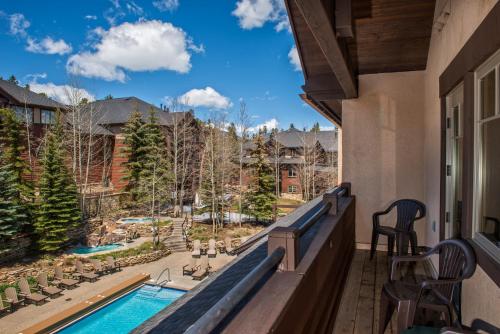
Breckenridge’s compact town footprint and surrounding slopes concentrate many outdoor soaking opportunities where tubs face the Tenmile Range and nearby peaks. Look for jacuzzi locations on the town’s northwest side and along corridors that rise toward higher neighborhoods—these spots often deliver clearer sightlines to ridge lines and alpine silhouettes because of elevation and fewer obstructing structures. Midday light emphasizes craggy textures on the mountains while mornings and evenings produce warmer color contrasts, so tub orientation matters: south- and west-facing setups typically provide dramatic sunsets over the peaks, whereas eastern exposures capture crisp sunrises when snowfields glow. For travelers prioritizing uninterrupted panoramas, choose listings that explicitly describe “panoramic mountain views” or include wide-angle photos taken from the outdoor soaking area; image consistency across multiple user photos and guest comments about views are reliable indicators that a listing’s claims match reality.
Photography and timing tips amplify the visual payoff. Sunrise soaks reward early risers with soft, low-angle light that reveals the Tenmile Range’s ridgelines and creates excellent reflection opportunities on calm water surfaces. Sunset sessions often deliver saturated skies and dramatic silhouettes, though expect quicker temperature drops—bring insulated robes and plan short exit routes to heated indoor areas. For sunset and night-sky shots, a simple tripod and a camera capable of longer exposures capture stars without overexposing nearer lights. When assessing locations, note proximity to ski lifts and popular trails: tubs closer to lift-access corridors can offer sweeping views of valley approaches and groomed runs lit at dusk, while tubs farther into residential pockets may present quieter, more framed vistas. Confirming directional orientation and photographing times in guest reviews helps set accurate expectations for view quality and lighting during different parts of the day.
Private Jacuzzi Rentals for Couples and Families
Private jacuzzi rentals in Breckenridge are a top choice for travelers who prioritize intimacy, control over schedules, and a personal atmosphere for celebrations or family relaxation. Private setups range from small, intimate tubs suitable for two to larger multi-seat jetted units designed for groups; descriptions often list seating capacity, depth, and any privacy measures such as fencing or landscaping. For couples seeking quiet romance, look for properties that mention adjustable lighting, secluded outdoor spaces, or clear sightlines toward the mountains without shared access. Families frequently value features like gradual seating tiers, lower water entry points, and straightforward temperature controls to better manage younger soakers. Reading guest reviews offers detailed insights into how private units perform in practice—comments about consistently warm water, reliable heating, and prompt host responses to maintenance issues are especially useful when booking for special occasions.
Booking privately via Agoda gives flexibility in choosing arrival times and avoiding peak communal hours, but effective pre-arrival communication remains important. Request confirmation of water temperature range, recent maintenance history, and any on-site rules concerning noise or late-night use to prevent surprises. For accessibility-conscious travelers, private rentals sometimes include ramp access or transfer options; verify these features before committing. Safety considerations for private tubs differ from shared facilities: responsibility for supervising children and ensuring safe entry/exit typically falls more heavily on guests, so packing non-slip footwear, a basic first-aid kit, and following local guidelines for hot tub use at altitude are prudent. In addition, confirm that the outdoor area has adequate lighting for evening entry and exit, and ask whether towels, robes, or waterproof seat cushions are provided—small conveniences like these can significantly enhance the comfort of a private jacuzzi stay.
Shared and Public Soaking Areas Near Breckenridge Town
Shared and public soaking areas near Breckenridge town provide sociable options for visitors who enjoy communal atmosphere and the ease of not managing private maintenance. These communal tubs are commonly placed within easy walking distance of central zones and trailheads, enabling a quick after-activity soak without a long commute. Operating hours for public soaking areas tend to reflect local ordinance constraints and seasonal patterns; daytime and early-evening windows are typical, with peak crowding occurring after popular trail closure times and during festival evenings. Crowd levels spike during weekends, holidays, and major seasonal events, so planning quieter midweek visits or early-morning soaks can offer a more relaxed experience. Signage at public locations often includes multilingual instructions and posted etiquette to help visitors understand local rules about occupancy limits, appropriate swimwear, and time limits when demand is high.
Etiquette and practical expectations differ from private rentals: shared tubs require mindful behavior to preserve comfort for all guests, including limiting prolonged use during peak hours, respecting modesty and swimwear norms, and minimizing loud music or disruptive lighting. Group-friendly layouts in communal areas may accommodate families or small groups, but during busy periods shorter individual sessions enable more people to enjoy the facility. Travelers should check recent guest reports for comments about cleanliness, noise levels, and management responsiveness; public spots with regular maintenance schedules and clear posted rules typically earn higher satisfaction. For those arriving from outdoor activities, plan for safe transitions between cold weather gear and soaking—dry, stable footing and sheltered seating areas near public tubs improve safety and comfort.
Seasonal Availability and Best Times for Jacuzzi Use in Breckenridge
Breckenridge’s seasonal swings shape jacuzzi availability and the experience profoundly. Winter is the iconic season: tubs framed by snowfields and frosted pines create a postcard-perfect soak, with steaming water contrasted against crisp air. Many outdoor setups remain usable through cold snaps, but heavy snowfall or storm closures can temporarily block access to some tubs or make paths slippery. Spring brings a mixed picture—late snowmelt and fluctuating temperatures mean water heating systems work harder and hosts may schedule maintenance around thaw periods. Summer shifts the vibe entirely: warm evenings and long daylight hours invite later soaks and more comfortable transitions between outdoor activities and hot-tubbing, while fall delivers crisp, clear nights excellent for stargazing and dramatic foliage backdrops. Across seasons, demand follows local events and peak travel windows—ski season, spring break, and summer festivals often increase booking pressure, so plan ahead.
Timing matters for light, crowd levels, and comfort. Sunrise sessions reward early risers with soft, low-angle light and typically fewer people at shared sites, but cold morning air can require thicker robes or brief acclimatization periods when stepping out. Sunset soaks provide dramatic colors against the Tenmile Range and are a favorite for couples and photographers; note that temperatures drop faster after sundown, so insulation and quick access to warming layers are useful. For stargazing, the clearest nights tend to occur on the coldest, driest winter evenings and on clear autumn nights—mountain air often yields excellent visibility. When targeting specific months, late-June through September often balances accessibility with mild nights and minimal snow-related maintenance, whereas December through March are prime for the classic snowy soak but need additional planning for icy access and possible service interruptions.
Altitude Effects and Safe Hot Tubting in High Elevation
High elevation in Breckenridge—commonly well over 9,000 feet—affects physiology and how the body reacts to prolonged heat exposure. Reduced oxygen levels change perceived exertion and can amplify dizziness, shortness of breath, and heart rate increases during hot tub sessions. That means standard hot tub advice takes on extra importance: limit soak times, avoid overly hot temperatures, and prioritize hydration. Water temperatures that feel moderate at sea level can seem more intense at altitude; many health guidelines suggest keeping hot tub temperatures slightly lower and keeping sessions shorter than usual to reduce cardiovascular stress. Travelers with preexisting heart or respiratory conditions should consult a medical professional before extended hot tub use at elevation and consider avoiding high-temperature soaks altogether until acclimatized.
Practical steps help mitigate altitude-related risks. Hydration before, during, and after soaking is essential—mountain air accelerates fluid loss through respiration and perspiration, even in cold conditions. Electrolyte drinks or water with added minerals can be beneficial after vigorous activities followed by a soak. It’s wise to stagger exposure: begin with brief sessions and gradually increase time if no adverse symptoms appear, and always exit the tub slowly to avoid orthostatic dizziness. Alcohol and some medications magnify heat effects and can impair judgment, so avoiding drinking while soaking is prudent. Finally, acclimatization time matters: arriving a day or two before indulging in longer sessions gives the body time to adjust to altitude, reducing risk and improving overall enjoyment.
Accessibility Features for Inclusive Jacuzzi Experiences in Breckenridge
Accessible jacuzzis are increasingly available in and around Breckenridge as hosts respond to diverse guest needs. Common features to look for include gradual ramps leading to tub decks, transfer benches and lift mechanisms designed to help users move from wheelchair to seat, handrails and grab bars at entry points, and non-slip decking that reduces fall risk in icy conditions. Some properties provide wider doorways and level thresholds for easier movement, while others detail specifics like seat heights and step counts—information that is crucial for planning. When searching listings, filters and explicit accessibility notes in descriptions or amenity lists are the most reliable indicators of what’s on-site; images that show ramps, lifts or clear approaches add confidence that the feature is actually present rather than assumed.
Advance communication yields the best outcomes for accessibility travelers. Request confirmation of exact measurements (ramp slope, doorway widths, step heights), availability of mechanical lifts, and whether staff or on-call technicians can assist with equipment operation. Clarify whether pathways are cleared of snow in winter and if temporary ramps or additional safety measures can be provided for short stays. For wheelchair users or mobility-limited guests, ask about nearby hard-surfaced parking or drop-off points and the distance from those access points to the tub area. It’s also helpful to verify that any auxiliary aids—transfer handles, waterproof seating cushions, or non-slip mats—are present or can be supplied locally. These checks reduce surprises and ensure an inclusive, comfortable experience that matches expectations.
Water Quality, Hygiene Standards and Maintenance in Mountain Climates
Mountain climates bring particular challenges to maintaining jacuzzi water quality, and responsible hosts typically follow well-established routines to meet guest expectations. Frequent testing of pH and sanitizer levels (chlorine or bromine) remains standard, but the cadence may increase in freezing conditions when evaporation and chemical concentration can change more rapidly. Filtration systems often work harder due to increased debris from surrounding evergreens in summer and mineral runoff during snowmelt seasons. Guests should look for listing details that specify recent testing, filtration brand or type, and a documented maintenance schedule—clear notes on last-clean dates and any seasonal shutdown plans are valuable signals of transparency.
Cold-weather maintenance requires extra measures. Freeze protection systems, insulated piping, and winter-grade covers help prevent damage and maintain consistent water temperatures amid big diurnal swings. Hosts aware of mountain-specific issues will describe procedures for winter circulation cycles to avoid ice buildup and outline how they handle sudden snowstorms or power interruptions. Travelers can ask pre-arrival questions about recent maintenance history, whether filters were changed before peak season, and what sanitation protocols are in place between guests. When water clarity, odor, or foam levels appear off during a stay, document the condition and report promptly—many hosts prioritize corrective action but having a timestamped photo and clear description speeds response and supports any follow-up through Agoda if needed.
Safety Guidelines for Hot Tub Use at Altitude
Safety-conscious hot tubbing in Breckenridge combines standard water-safety practices with altitude-specific precautions. Recommended temperatures for comfort and reduced cardiovascular strain typically range lower than the hottest settings—staying under about 102°F (39°C) is advisable for most adults, and shorter soak durations (10–15 minutes initially) help reduce the chance of lightheadedness. Always sit up slowly when exiting to avoid fainting from sudden blood pressure changes. People with heart disease, uncontrolled hypertension, pregnancy, or respiratory conditions should obtain medical clearance before using a hot tub at high elevation and may be advised to avoid it entirely or maintain only very brief, cooler soaks.
Additional safety steps center on supervision and substance use. Children require close, continuous supervision, lower water temperatures, and even shorter sessions; portable floatation devices or seated configurations that limit submersion reduce risk. Alcohol and certain medications (including some antihistamines and sedatives) impair judgment and increase heat-related dangers—combining them with hot tub sessions at altitude is strongly discouraged. Keep an emergency plan handy: know the local emergency number, the nearest urgent care or hospital, and which directions to provide for emergency responders. Good lighting for night exits, non-slip pathways, and clear communication about time limits help keep everyone safe and comfortable during mountain soaks.
Hot Tub Etiquette for Shared and Outdoor Settings
Shared jacuzzis in Breckenridge blend social energy with the need for respectful behavior, especially in close-knit mountain neighborhoods. Expect local emphasis on quiet hours—late-night noise from speakers or boisterous groups is often unwelcome because sound travels farther in clear mountain air and can disturb neighbors. Common courtesy includes limiting session length when others are waiting, avoiding loud music or bright, flashing lighting, and following posted occupancy or time-limit signs. Swimwear expectations are straightforward: appropriate bathing attire helps preserve a comfortable atmosphere for a diverse mix of guests, and some public areas post explicit rules about clothing standards and child supervision.
Simple cleanliness practices also go a long way. Showering or rinsing off before entering reduces oils and lotions that compromise water chemistry, and avoiding strong fragrances helps those with sensitivities. Dispose of trash properly—bringing food and drinks to a tub area is fine in many private settings but avoid leaving dishes or glassware unattended, particularly around icy surfaces. Photography etiquette matters: respect others’ privacy by avoiding intrusive close-ups and asking permission before taking group photos that include strangers. Finally, adhere to any posted rules about pets, smoking, or prohibited items; those rules often reflect local regulations and neighborhood agreements designed to keep shared outdoor spaces pleasant for everyone.
Privacy, Noise Management and Outdoor Screening Options
Privacy is a top concern for many travelers seeking outdoor jacuzzi experiences, and there are several practical strategies hosts and guests use to balance seclusion with scenic exposure. Natural landscaping—dense shrubs, evergreen screens, and bermed plantings—often forms the first line of privacy without blocking mountain views. Constructed elements like lattice screens, tall fencing, and strategically located planters can create private pockets while keeping sightlines open to peaks. For travelers booking through Agoda, listing photos that show foliage density, fencing heights, or screened enclosures are helpful cues; if privacy is essential, request more images or a daytime and nighttime photo to assess how visible the tub is from neighboring properties.
Noise management pairs with visual screening to preserve the experience. Timing soak sessions outside local quiet hours and avoiding late-night amplified sound minimizes complaints and neighbor disturbance. Some hosts offer suggested time windows for no-noise soaks or recommend alternative nearby areas for louder gatherings. For private events, confirm local noise curfews and whether any outdoor gathering permits are needed—municipal codes in mountain towns can be strict about amplified sound and late-night gatherings. Simple traveler checklist items include bringing soft-soled footwear to reduce creak and clatter on decking, using battery-powered ambient lights rather than generators, and planning arrival and exit routes that limit foot traffic across neighboring properties.
Romantic and Honeymoon Jacuzzi Experiences
Private tubs with sweeping mountain backdrops are a natural choice for couples seeking a memorable romantic escape in Breckenridge. Look for listings that highlight adjustable lighting, sheltered nooks, or terraces oriented toward the Tenmile Range—these design cues create an intimate atmosphere without sacrificing views. Evening soaks timed for sunset or later stargazing deliver dramatic skies and a sense of seclusion; balancing that ambiance with practical steps such as bringing warm robes, insulating mats for cold decks, and planning a short, well-lit route back indoors keeps the experience comfortable. Many couples appreciate small extras often noted in descriptions and reviews—soft ambient lighting around the tub, discreet privacy screening, and straightforward temperature controls that let partners fine-tune warmth without fuss. When planning proposals or anniversaries, confirm noise curfews and neighbor proximity so surprises remain celebratory rather than disruptive.
Timing and simple logistics amplify the romance. Sunset sessions provide saturated skies and warm horizon colors against silhouetted peaks, while clear autumn or winter nights often offer exceptional stargazing because of thin, dry mountain air; a compact star map app can help identify constellations visible from a tub. For honeymooners, stagger short soaks between daytime activities to reduce altitude fatigue and prioritize hydration to counter the combined effects of heat and elevation. If a listing mentions quiet hours or private-access windows, use those periods for undisturbed time together; when privacy is less certain, consider earlier-evening soaks or locations with denser screening. Finally, small touches—portable battery lanterns rather than noisy generators, insulated wine tumblers instead of glass, and pre-arranged clear arrival instructions—help preserve intimacy while respecting local rules and neighbors.
Family-Friendly Jacuzzi Options and Safety for Kids
Families visiting Breckenridge often want the relaxation of a warm tub without compromising child safety or comfort. Listings that emphasize family-friendly features provide clear details about seating depth, step counts, and lower-temperature settings useful for children. Shallow bench seating and gradual entry points are especially helpful for younger guests, while parent-friendly design elements—visible sightlines from the adjacent deck, handrails, and non-slip surfaces—make supervision easier. Reviews from other families can be particularly revealing about how a setup works in practice: look for comments on consistent water temperature, ease of adjusting controls, and how hosts handle extra towels or child-size flotation aids. Confirm whether linens suitable for kids (quick-dry towels, waterproof seat cushions) are available or if packing these items is necessary.
Safety choreography matters when combining cold outdoor play and hot water. Shorter sessions at cooler temperatures reduce the risk of overheating; many parents stagger children’s time to smaller increments (five to ten minutes initially) while monitoring for signs of dizziness or lethargy. Keeping hydration close at hand—water bottles and electrolyte mixes—helps offset altitude-driven fluid loss. For toddler access, portable step platforms and slip-resistant mats minimize fall hazards on icy or wet decking; when those items aren’t provided, families should bring their own to ensure a safer transition. Clear rules around supervision, posted or agreed upon with the host before arrival, set expectations for both parents and nearby guests. In shared soaking areas, pick quieter times like early mornings on weekdays to avoid crowds and give families more space to manage children without hurried time limits.
Group and Party-Friendly Jacuzzi Arrangements
Larger groups often prefer jacuzzis that accommodate several people and pair well with adjacent outdoor entertaining spaces. Multi-seat tubs with bench-style seating and integrated headrests are common in listings that cater to groups, and descriptions typically note maximum capacities and whether seating arrangements support social conversation. When planning a gathering, verify local noise ordinances and any posted quiet hours; mountain neighborhoods can enforce strict curfews to protect resident tranquility. For outdoor events, look for properties that provide clear guidance on permitted guest counts and whether amplified music or late-night celebrations require special permission. Travel companions should coordinate arrival times and transport in advance to reduce congestion around access paths and to avoid lingering on neighbor properties.
Logistics for groups include practical coordination on safety and amenities. Assigning a host or point person for the group to monitor time limits and manage rotations keeps sessions fair and aligned with etiquette expectations. If food or beverages are part of the plan, use durable, nonbreakable containers and avoid glassware on icy surfaces; place trash receptacles nearby and agree to a cleanup plan so spaces are left tidy. Because energy demand spikes when many people use hot water in quick succession, discuss heating reliability with the listing host and ask about backup plans for extended cold snaps. Finally, consider staggered arrival and departure windows for group transportation to reduce parking pressure and improve overall neighbor relations—communication and courtesy go a long way to ensuring group-friendly hot tub evenings remain stress-free.
Booking Strategies on Agoda for Jacuzzi-Focused Stays
Finding the right jacuzzi-focused listing on Agoda benefits from a targeted blend of filters, careful photo scrutiny, and review reading. Use amenity filters where available to narrow results to properties that explicitly list a jacuzzi or outdoor hot tub, and cross-check photos for multiple angles of the tub area—listings that show both daytime and nighttime images of the same spot offer higher confidence in view claims and privacy features. Guest reviews are a rich source of practical detail: prioritize recent comments about water temperature consistency, maintenance responsiveness, and whether the views photographed match reality. When a listing references accessibility features or privacy screening, request clarifying photos or measurements via Agoda messaging to confirm features rather than relying solely on brief descriptions.
Prepare targeted pre-arrival questions to reduce surprises. Ask about recent maintenance, average water temperatures during your intended dates, and whether winter freeze-protection measures could restrict access. Confirm operating hours for shared areas and any quiet-hour policies for private outdoor tubs. For travelers concerned about amenity outages, review the property’s cancellation or refund terms related to unavailable facilities, and document pre-arrival communications in case follow-up with Agoda support becomes necessary. Multilingual travelers may request language-specific assistance through Agoda’s customer service and seek hosts who provide signage or instructions in needed languages. Finally, when booking during high-demand windows—ski season, local festivals, or holiday weekends—reserve early and consider refundable rates if plans might shift.
Transport, Parking and Getting to Jacuzzi Sites
Jacuzzi locations in Breckenridge range from walkable town-center terraces to elevated residential pockets that require brief drives. Evaluate listings for distance to public transport stops or shuttle routes that service ski lifts and trailheads—proximity to a shuttle stop reduces the need for private vehicles in peak seasons. For drivers, assess parking notes: listings often indicate whether on-street spots, private driveways, or nearby municipal lots are the most practical options. In winter, cleared and heated drop-off points are rare, so prioritize properties with short, level walks from parking areas or arrange for compact, easily maneuverable vehicles able to handle snowy approaches.
For mobility-limited travelers, plan routes that minimize stairs and steep inclines between parking and hot tub locations; confirm if marked accessible drop-off points exist and how far those are from the tub area. Ride-hailing services are common in peak seasons but may take longer during high-demand festival weekends, so pre-book local shuttles or coordinate pick-up windows where possible. When carrying gear for evening soaks—toweling, robes, and photographic equipment—use sturdy storage bags to protect items from wet or snowy conditions. Finally, confirm winter pathway maintenance in advance; hosts who clear and salt primary access routes reduce slipping hazards and make arriving at a private tub late at night a much calmer experience.
Nearby Dining, Après Ski and Evening Plans within Walking Distance
Jacuzzi-equipped pockets of Breckenridge often sit within easy reach of a lively cluster of dining options and après-ski spots. Prioritize listings that note short walking distances to restaurants and casual eateries when planning an evening timeline—an early dinner followed by a relaxed soak is a common rhythm for mountain visitors. Casual, hearty meals tend to fit the post-activity mood: think grab-and-go items for quick returns or sit-down choices if the soak is scheduled later in the evening. For shorter walks, packable insulated containers and spill-proof drinkware let guests enjoy a light snack in a private outdoor area without risking glass on icy decking.
Time your restaurant bookings to allow for a smooth transition to an evening soak. Allocate enough time to change, rehydrate, and move between venues without rushing; in colder months, extra minutes help limit time spent in damp clothing. If planning a special dinner before a romantic soak, request early reservations to beat the post-ski rush and confirm whether a short, well-lit return path is available. For groups, splitting into smaller dinner rotations can reduce pressure on tub access times and minimize crowding. Local eateries sometimes extend hours during festivals or peak ski weeks, so checking opening times for your dates helps avoid last-minute surprises and ensures a pleasant, well-paced evening.
Permits, Local Regulations and Responsible Outdoor Hot Tub Use
Outdoor hot tubs in mountain towns are subject to local noise and land-use rules that protect neighbor quality of life and environmental health. Noise curfews commonly appear in municipal codes; amplified sound and late-night gatherings may need permits or explicit permission depending on proximity to residential zones. Before planning loud or large gatherings around an outdoor tub, check whether the property description mentions local ordinance constraints and ask hosts about any permit requirements for amplified audio or events. Respecting posted occupancy limits and time restrictions preserves neighborhood relations and reduces the chance of citations or neighbor complaints.
Environmental responsibilities include mindful water use and disposal. In sensitive mountain watersheds, avoid dumping chemically treated water directly onto native soils or into storm drains; hosts aware of regulations will outline acceptable drainage procedures. Conserving energy by using insulated covers and reducing unnecessary heating time minimizes environmental footprint and avoids overtaxing local energy resources during cold snaps. If portable or temporary heating methods are proposed, verify whether local codes or HOA rules allow such equipment. Travelers can show good stewardship by following posted rules, avoiding excessive loudness, and keeping shared paths clear—small acts of consideration support long-term access to outdoor hot tub experiences in fragile mountain communities.
Energy, Heating Methods and Cost Considerations at Altitude
Heating outdoor tubs at Breckenridge elevations demands more energy than lowland counterparts due to colder ambient temperatures and higher heat loss. Common heating approaches include efficient electric heaters paired with high-quality insulated covers, and in some setups, supplemental circulation systems that prevent freeze and reduce the load required to reheat chilled water. Travelers should ask hosts how water is heated and whether backup power or redundancy exists for extended cold periods; listings that disclose heating methods and describe winterization steps build confidence that tubs will maintain comfortable temperatures during extreme conditions.
Energy costs and maintenance dynamics affect availability and reliability. Running a high-capacity heater to sustain hot-tub temperatures during sub-freezing nights increases operating expense, and sudden power interruptions can trigger temporary shutdowns for safety. Well-maintained insulation, covers rated for deep snow loads, and routine winter circulation reduce both energy use and the likelihood of mechanical stress. When booking, inquire whether hosts monitor heating systems remotely, have emergency repair contacts, or schedule freeze-protection cycles that might briefly limit access. Knowledgeable hosts often provide realistic guidance about expected temperature ranges on particularly cold nights and can recommend practical workarounds like shorter soak windows to preserve heat.
What to Pack for a Breckenridge Jacuzzi Stay
A thoughtful packing list makes the difference between a so-so soak and an unforgettable mountain tub session. Essentials include warm, quick-dry robes and insulated, non-slip footwear for moving between cold outdoor air and hot water; layered clothing works best for changing temperatures during sunset or night soaks. Swimwear should be paired with thermal base layers or hooded wraps for extra warmth when exiting, and waterproof bags keep electronics and cameras safe from splashes and snow. Hydration supplies—water bottles and electrolyte mixes—are a must because altitude amplifies fluid loss; a small first-aid kit and any personal medications complete a practical kit for unexpected needs.
For photography and comfort, pack compact gear: a small tripod for low-light star shots, spare batteries (cold drains power quickly), and lens cloths to clear water vapor from camera lenses. Bring towel clips or straps to secure drying items on windy nights, and include a headlamp with red-light mode for minimal light pollution during stargazing. If traveling with children, portable step stools, slip-resistant mats, and compact flotation aids help maintain safety. Finally, keep a printed copy of booking confirmations, host contact details, and local emergency numbers handy—cell service can be spotty in higher-elevation pockets, and having paper backups speeds problem resolution.
Photography Spots, Sunrise and Stargazing from Hot Tubs
Breckenridge’s clear mountain air and dramatic ridgelines produce exceptional photo opportunities from outdoor tubs, but timing and orientation make all the difference. East-facing tubs capture crisp sunrises that flood valley walls with soft light, ideal for reflective water-surface shots; west- and south-facing setups excel at vivid sunsets as the Tenmile Range takes on saturated hues. For night photography, cold, dry winter evenings typically yield the best star visibility, while lower-humidity autumn nights also provide impressive clarity. Use a small tripod and slow-shutter settings to capture star fields; a wide-aperture lens helps gather available light without excessively long exposures.
Respectful, low-impact shooting preserves privacy and neighborly goodwill. Avoid using bright flash or continuous, high-powered lighting that disturbs adjacent properties—battery-powered, dimmable LED lights and red-light modes on headlamps maintain ambiance while keeping light pollution minimal. When photographing other guests or nearby homes, ask permission before including people or private properties in close-up shots. For shared soaking areas, keep sessions brief during golden-hour crowds to allow others to capture similar scenes. Finally, protect gear from sudden temperature shifts by letting lenses acclimatize slowly to reduce fogging, and store batteries in an insulated pocket to keep them functioning in cold conditions.
Health Advisories, Contraindications and Medical Preparedness
Certain medical conditions increase the risks associated with hot tub use at high elevation. Pregnancy, uncontrolled hypertension, recent cardiovascular events, respiratory illnesses, certain skin disorders, and recent surgeries commonly appear on lists of contraindications for extended hot-tub exposure; consulting a healthcare professional prior to travel is strongly recommended for those with underlying conditions. At altitude, sensations of lightheadedness and increased heart rate are amplified, so conservative temperature settings and shorter soak durations are advisable. Travelers using prescription medications should confirm whether their drugs interact poorly with heat exposure or can impair judgment while soaking.
Medical preparedness includes practical local knowledge: identify nearby urgent care clinics and the closest hospital before arrival, and carry a compact medical summary if chronic conditions are present. For groups, designate someone who knows basic first-aid and has access to emergency contact numbers; document any adverse reactions with timestamps and photos if medical attention or host intervention is necessary. Bring necessary supplies—electrolytes for dehydration, blister care for cold-weather foot issues, and any daily medicines in original packaging—to ease any on-site provider’s ability to assist. Quick, cautious exits from tubs at the first sign of dizziness, nausea, or extreme flushing reduce the chance of more severe complications.
Comparing Private versus Shared Jacuzzi Benefits in Breckenridge
Private jacuzzis deliver control and intimacy: users pick soak times, set preferred temperatures, and enjoy unshared privacy that suits romantic getaways or family needs. Private setups often provide clearer sightlines and the ability to personalize music and lighting within local noise regulations. Reviews for private listings typically emphasize privacy fidelity, maintenance responsiveness, and whether actual tub dimensions match listing claims—detailed photos and host transparency are key indicators of quality. These arrangements can carry higher costs but pay dividends in flexibility, control, and comfort when privacy matters most.
Shared options appeal to travelers prioritizing social energy and sometimes lower per-person costs. Communal tubs near central Breckenridge offer easy access, sociable atmospheres, and proximity to nightlife or dining clusters, but they require etiquette awareness and flexibility around timing and crowding. Reviews for shared facilities often highlight cleanliness cycles, posted time limits, and crowd management; favorable comments usually point to effective maintenance and clear rules. When choosing between private and shared, weigh intimacy and scheduling control against social ambiance and cost—both can produce excellent experiences if expectations are matched to listing details and recent guest feedback.
Cancellation Policies, Amenity Availability Guarantees and Guest Rights
Amenity-related disruptions—such as jacuzzi outages due to mechanical failures or extreme weather—are sometimes unavoidable in mountain climates. Before booking, scrutinize the listing’s cancellation and refund policies on Agoda, especially clauses that address amenity outages. Some hosts provide explicit amenity-availability guarantees or offer partial refunds when key features are nonfunctional; others treat facilities as complimentary without contractual guarantees. Documenting pre-arrival promises—screenshots of descriptions, saved messages confirming availability, and dated photos—supports any dispute resolution should the hot tub be unusable on arrival.
If a promised jacuzzi is out of service, prompt communication through Agoda channels is the best course: notify the host immediately with photos and timestamps, and escalate to Agoda customer support if initial responses are unsatisfactory. Review protections and consumer rights available via Agoda—refund eligibility often depends on documented attempts to resolve the issue with the host and the outage’s duration. When booking during peak seasons, consider refundable or flexible rates that ease last-minute changes prompted by amenity failures. Keeping communications polite, factual, and well-documented typically speeds resolution and preserves options for compensation or alternative accommodations.
Local Suppliers for Portable and Inflatable Jacuzzis
For groups or events where a built-in jacuzzi isn’t available, local rental suppliers can provide portable or inflatable tubs as temporary solutions. These vendors typically offer delivery, setup, and pickup services, but lead times vary—during peak ski season and festival weekends, suppliers often book out well in advance. Confirm whether local regulations or property rules permit temporary installations and whether permits or special drainage procedures apply. Rental providers often supply insulated covers and heaters appropriate for mountain climates; verify that their equipment includes freeze-protection features if the rental spans sub-zero nights.
Practical rental considerations include surface requirements and access logistics. Portable tubs usually need a level, firm surface and access wide enough for delivery vehicles; stair-heavy delivery routes can increase setup fees or render some sites impractical. Ask suppliers whether they provide trained technicians for on-site troubleshooting, and request written guidance on safe operation at altitude. Because energy demands are higher in cold weather, confirm whether additional power sources or dedicated circuits are necessary and whether the provider can supply temporary generators if permitted. When considering short-term rentals, weigh the cost and logistical complexity against alternative options such as nearby shared soaking spots.
Review Signals and Rating Criteria for Jacuzzi Experiences
Guest reviews reveal consistent patterns that predict jacuzzi satisfaction. Positive signals include repeated mentions of stable water temperature, clear water quality, prompt host responses to maintenance issues, accurate portrayal of privacy and view claims, and accessible, well-lit entry paths. Photos taken by guests across multiple dates that match listing images strengthen confidence in the property’s reliability. Conversely, red flags include recurring complaints about inconsistent heating, murky water, restricted winter access, or unclear instructions for use. Pay attention to how hosts reply to negative feedback—constructive, timely replies often indicate proactive management.
Interpreting reviews requires pattern recognition. A single isolated complaint about a cold-tub night during a regional outage carries less weight than multiple reports of the same issue across different dates. Look for recent reviews during the same season as planned travel to better reflect current operating conditions. For accessibility concerns, prioritize reviews from guests who mention measurements, lift availability, or ramp usability; specifics tend to be more reliable than generic affirmations. Aggregated ratings give a quick snapshot, but reading a mix of positive and negative firsthand accounts helps build a nuanced expectation for the jacuzzi experience.
Multilingual Signage, Guest Support and International Traveler Needs
Breckenridge attracts an international crowd, and many listings aim to accommodate non-English speakers with multilingual signage or host-provided translated instructions. When language needs are important, search for listings that explicitly mention multilingual support or include translated use instructions for water chemistry, temperature controls, and safety guidelines. Agoda’s messaging system allows guests to request clarifications in advance; specifying preferred languages early helps hosts prepare printed materials or designate multilingual staff or neighbors who can assist. For more complex accessibility or medical queries, ask whether the host can arrange interpreter support or provide nearby helpline numbers in accessible languages.
Practical steps for international travelers include saving key phrases related to medical conditions and emergency instructions, carrying physical copies of necessary permits, and ensuring phone plans or local SIM cards provide reliable service for last-minute communications. If signage in the tub area is only in English, request a brief translated note from the host outlining critical safety points and operation steps. For guests who rely on non-Latin scripts, supplying a typed translation of important instructions in advance often speeds preparations and reduces misunderstandings upon arrival. Clear, documented communications via Agoda prior to check-in are the simplest way to ensure an accessible, multilingual-friendly jacuzzi stay.
Events, Festivals and Peak Times Affecting Jacuzzi Access
Major events and festivals in Breckenridge drive peaks in accommodation demand and can indirectly affect jacuzzi availability. Ski-season weekends, summer festivals, and holiday periods often produce higher foot traffic, increased noise, and greater pressure on shared soaking resources. During these windows, arrival times can be delayed due to event-related congestion, and hosts may limit tub access windows to manage wear and neighbor relations. Booking early for dates aligned with known events helps secure preferred time slots and avoids last-minute disappointments.
Strategic planning offsets peak-time constraints. If travel dates coincide with a major festival, prioritize listings that explicitly manage crowding—those that state clear time limits, provide multiple soaking slots, or highlight private access windows. Consider midweek stays or shoulder-season travel to enjoy quieter access while still benefiting from good weather and reduced rates. Check event calendars before finalizing reservations and ask hosts how they typically handle surge periods; proactive hosts often suggest arrival windows and alternative local soaking spots to ensure a pleasant experience despite heightened demand.
Checklist for a Smooth Jacuzzi Stay in Breckenridge
Confirm amenity details: verify jacuzzi availability, ask for recent maintenance records, and request photos showing privacy and approach routes. Check accessibility needs: measure ramp slopes, doorway widths, and step counts if mobility aids are required, and confirm snow-clearing procedures for winter arrivals. Prepare health and safety items: bring a basic first-aid kit, necessary prescription medicines, electrolyte mixes, and printed emergency contacts for nearby urgent care and hospitals.
Pack smart: quick-dry robes, insulated non-slip footwear, spare batteries for cameras, and waterproof storage bags for electronics. Logistics to finalize: confirm parking or drop-off instructions, note local quiet hours and noise ordinances, and verify transport options for late-night returns. Document communications: save messages about amenity guarantees, cancellation terms related to outages, and any host commitments. Following this checklist reduces surprises and helps ensure the jacuzzi portion of a Breckenridge stay is relaxing, safe, and well-aligned with traveler expectations.


 See all


 See all



 See all


 See all


 See all


 See all


 See all


 See all


 See all




 See all

